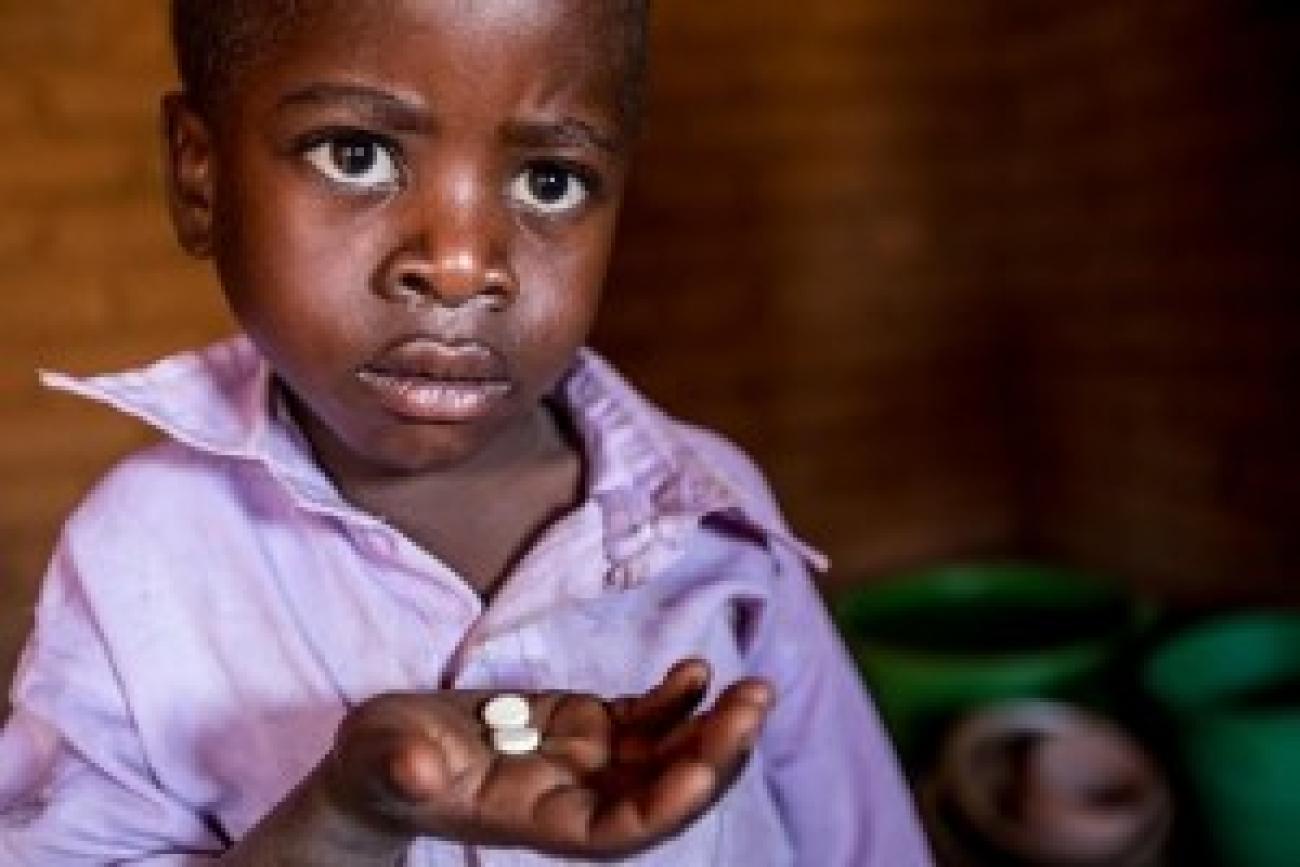
Every day, thousands of children in Uganda wake up battling more than just poverty they face life with HIV. These children, often orphaned or abandoned, are in urgent need of medical care, nutrition, education, and love. Without support, many are unable to access the treatment that keeps them alive or attend school to build a brighter future.
Your donation can provide a child with life-saving antiretroviral medication, nutritious meals, and access to quality education. Just a small monthly contribution can keep a child in school, healthy, and full of hope. Beyond the medical needs, your support helps fund counseling, safe shelter, school supplies, and vocational training that empowers them to live independently and with dignity.
Every dollar makes a difference. Every act of generosity brings hope. These children are not statistics they are future leaders, artists, teachers, and doctors. With your help, they can rise above stigma and suffering.
Join us in bringing light to their lives. Sponsor a child, support a program, or make a one-time gift. Together, we can rewrite their stories from one of struggle to one of strength.

Here are 10 key challenges faced by HIV-positive children in Uganda:
Limited Access to Antiretroviral Treatment (ART)
Many children in rural areas cannot consistently access life-saving HIV medication due to distance, cost, or clinic shortages.Malnutrition and Poor Health
HIV weakens the immune system, and without proper nutrition, children are more vulnerable to infections and slower recovery.Stigma and Discrimination
Children with HIV often face rejection from schools, communities, and even family members, causing emotional trauma and isolation.Loss of Parents and Caregivers
Many are orphaned by AIDS and left in the care of elderly grandparents or on their own, with little guidance or support.Interrupted Education
Illness, poverty, and stigma lead many HIV-positive children to drop out of school or perform poorly due to absenteeism.Emotional and Mental Health Struggles
Depression, anxiety, and trauma are common due to loss, stigma, and the burden of living with a chronic illness.Lack of Psychosocial Support
Few programs offer consistent counseling or mentorship to help children cope emotionally and socially.Poverty
Most affected families live in poverty, making it hard to afford transportation to clinics, school fees, or basic necessities.Limited Awareness and Education
Myths and misinformation about HIV still persist, increasing stigma and preventing early diagnosis or support.Weak Health Infrastructure
Clinics are often underfunded and understaffed, especially in rural areas, limiting the quality and consistency of care. SOLUTIONS
 Expand Access to Free Antiretroviral Treatment (ART)
Ensure that all HIV-positive children, especially in rural areas, can access and adhere to life-saving medication through mobile clinics and government-supported programs.Provide Nutritional Support
Offer regular food packages or school meals rich in nutrients to boost immunity and support medication effectiveness.Fight Stigma Through Community Education
Run awareness campaigns to reduce fear, misinformation, and discrimination surrounding HIV, especially in schools and local communities.Support Orphans and Vulnerable Children (OVC)
Create safe shelters and foster care programs for children who have lost parents to HIV/AIDS or live in unsafe conditions.Sponsor Education for HIV-Positive Children
Provide school fees, uniforms, supplies, and tutoring to help children stay in school and succeed.Offer Mental Health and Psychosocial Services
Train counselors and social workers to provide emotional support, therapy, and mentorship to HIV-positive children and their caregivers.Train Caregivers and Health Workers
Equip families and local health professionals with knowledge and tools to provide proper care, support, and supervision.Provide Vocational and Life Skills Training
Teach older children practical skills so they can become independent and resilient, reducing long-term dependency.Strengthen Health Infrastructure
Invest in rural health centers, supply chains, and mobile health units to improve HIV care and monitoring.Create Income-Generating Opportunities for Families
Support caregiver families with microloans, training, or small business grants to reduce poverty and increase household stability.n 2022, an estimated 80,000 children aged 0/14 in Uganda were living with HIV. This represents 0.5% of the country,s children have heartbreaking figure that reminds us of the silent crisis many young lives are facing every day.
These children are not just numbers they are sons, daughters, siblings, and future leaders. Many have lost their parents to AIDS. Most face poverty, hunger, stigma, and lack of access to proper medical care or education. Without consistent treatment, nutrition, emotional support, and schooling, their futures remain uncertain.
We are launching a Children HIV Support Fund to change that.
This fund will help us provide:
Lifesaving antiretroviral treatment
Nutritious meals to strengthen immunity
School sponsorships to keep children learning
Counseling and psychosocial care
Support for orphaned and vulnerable children
But we cannot do it alone. We are calling on compassionate donors, partners, and friends to stand with us.
Your support can give these children a chance not just to survive, but to thrive.
Please consider donating today. Together, we can restore hope, protect lives, and build a brighter future for Uganda most vulnerable children