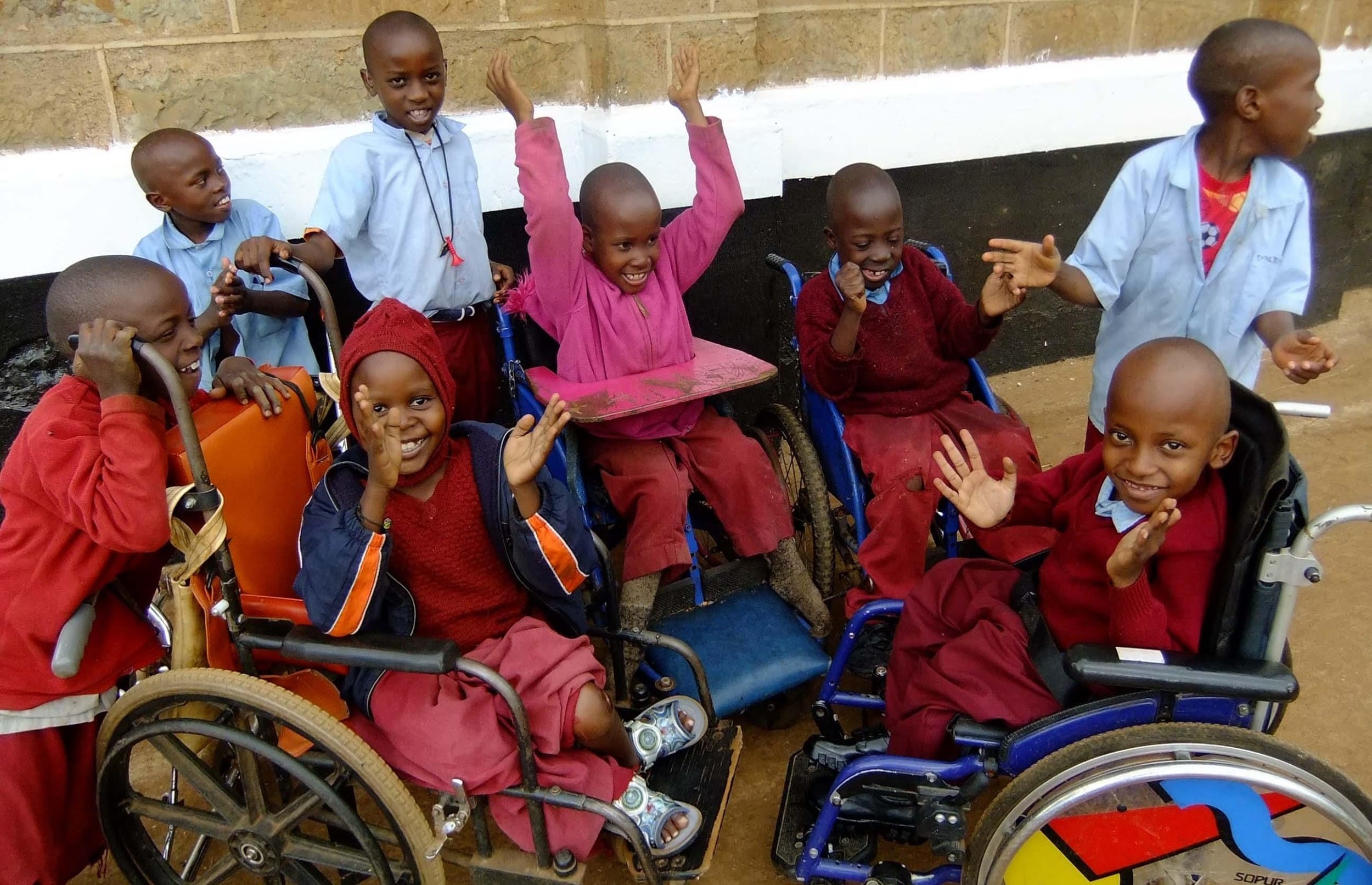
Shining a Light on Children with Disabilities in Uganda
In Uganda, thousands of children live with physical, sensory, and intellectual disabilities yet many remain unseen, unheard, and underserved. These children face a triple burden: disability, poverty, and social stigma. Instead of growing up with opportunity, care, and inclusion, they are too often excluded from school, isolated in their communities, or even hidden from public view.
Many families struggle to provide basic needs due to poverty, let alone access specialized care. There are far too few inclusive schools, trained teachers, or assistive devices like wheelchairs, hearing aids, or Braille materials. In rural areas, these children may walk miles for help or go without entirely.
The stigma around disability is still strong. Some children are seen as a "curse" or "burden," leaving them at risk of neglect, abuse, or abandonment. Girls with disabilities face even greater risks, including sexual violence and lack of access to reproductive health information.
Yet, with support, these children can thrive.
They deserve education. They deserve inclusion. They deserve dignity.
We call on donors, partners, and advocates to help us:
Provide mobility aids and therapy
Support inclusive education
Train caregivers and teachers
Create safe spaces for learning, play, and growth

hallenges Faced by Children with Disabilities in Uganda
Children with disabilities in Uganda face immense and persistent challenges that affect their health, education, safety, and dignity. These challenges are rooted in poverty, stigma, and lack of support system leaving many children isolated and excluded from society.
1. Limited Access to Education
Many schools in Uganda are not equipped to accommodate children with physical or learning disabilities. There is a shortage of trained special needs teachers, accessible classrooms, and adapted learning materials. As a result, most children with disabilities never attend school or drop out early.
2. Stigma and Discrimination
Negative cultural beliefs still exist in many communities, where disability is seen as a curse or punishment. This leads to rejection, shame, and sometimes children being hidden away from the public eye. Discrimination can come from peers, neighbors, and even family members.
3. Lack of Medical and Rehabilitation Services
Access to health care, physical therapy, or assistive devices such as wheelchairs, hearing aids, or prosthetics is extremely limited especially in rural areas. Many children go without the medical support they need for basic mobility or communication.
4. Poverty
Most families with disabled children are poor and cannot afford the cost of transport to clinics, special schools, or therapy centers. Disability often increases the economic burden, making it harder for families to meet basic needs.
5. Increased Risk of Abuse
Children with disabilities are at a higher risk of physical, emotional, and sexual abuse. Their vulnerability is often exploited, and cases frequently go unreported or unpunished due to lack of legal protection and awareness.
6. Lack of Inclusion in Public Life
These children are rarely involved in community activities, play, or decision-making. There are few accessible playgrounds, sports programs, or social support systems that allow them to participate fully in society.
Solutions: Creating a Better Future for Children with Disabilities in Uganda
The challenges faced by children with disabilities in Uganda are serious but they are not without solutions. With the right support, partnerships, and commitment, we can build an inclusive society where every child is valued, empowered, and given a chance to thrive.
Here are key solutions:
1. Inclusive Education
Train teachers in special needs education and inclusive teaching methods.
Provide learning materials in Braille, sign language, and simplified formats.
Construct or modify schools with ramps, accessible toilets, and inclusive playgrounds.
2. Community Education and Awareness
Launch awareness campaigns to combat stigma and promote understanding of disabilities.
Engage community leaders, parents, and faith groups to encourage acceptance and inclusion.
Use radio, drama, and workshops to change harmful attitudes and myths.
3. Access to Health and Therapy Services
Support community-based rehabilitation and mobile clinics to reach rural areas.
Provide wheelchairs, crutches, hearing aids, and prosthetics for free or subsidized prices.
Train local health workers in disability care and early detection.
4. Economic Support for Families
Offer cash grants, vocational training, and small business support to families caring for children with disabilities.
Reduce the burden of medical and school costs so families can better support their children.
5. Protection and Legal Support
Strengthen child protection systems to prevent and respond to abuse against children with disabilities.
Advocate for inclusive policies and enforcement of disability rights under national and international law.
6. Empowerment and Participation
Involve children with disabilities in youth groups, decision-making forums, and leadership training.
Promote access to sports, arts, and cultural activities to boost confidence and social inclusion.
The long-term impact of this project is the transformation of abandoned and disabled children into healthy, confident, and empowered individuals. By providing stable housing, medical care, education, and life skills, we equip them to live independently and contribute positively to society. Over time, this work helps break harmful stigmas, strengthens families, and builds a more inclusive community where every child regardless of ability is valued, supported, and given the opportunity to thrive with dignity and hope.